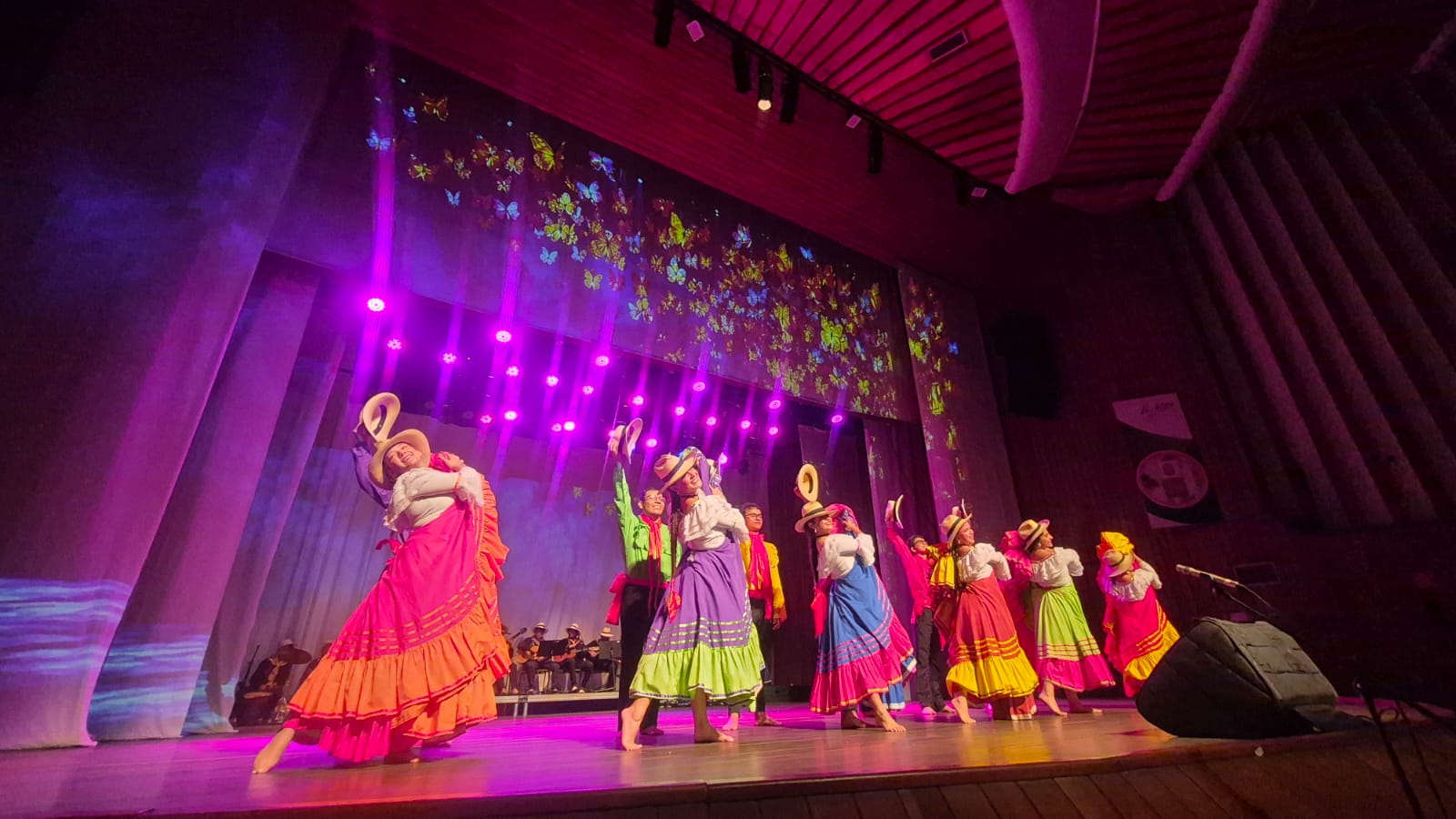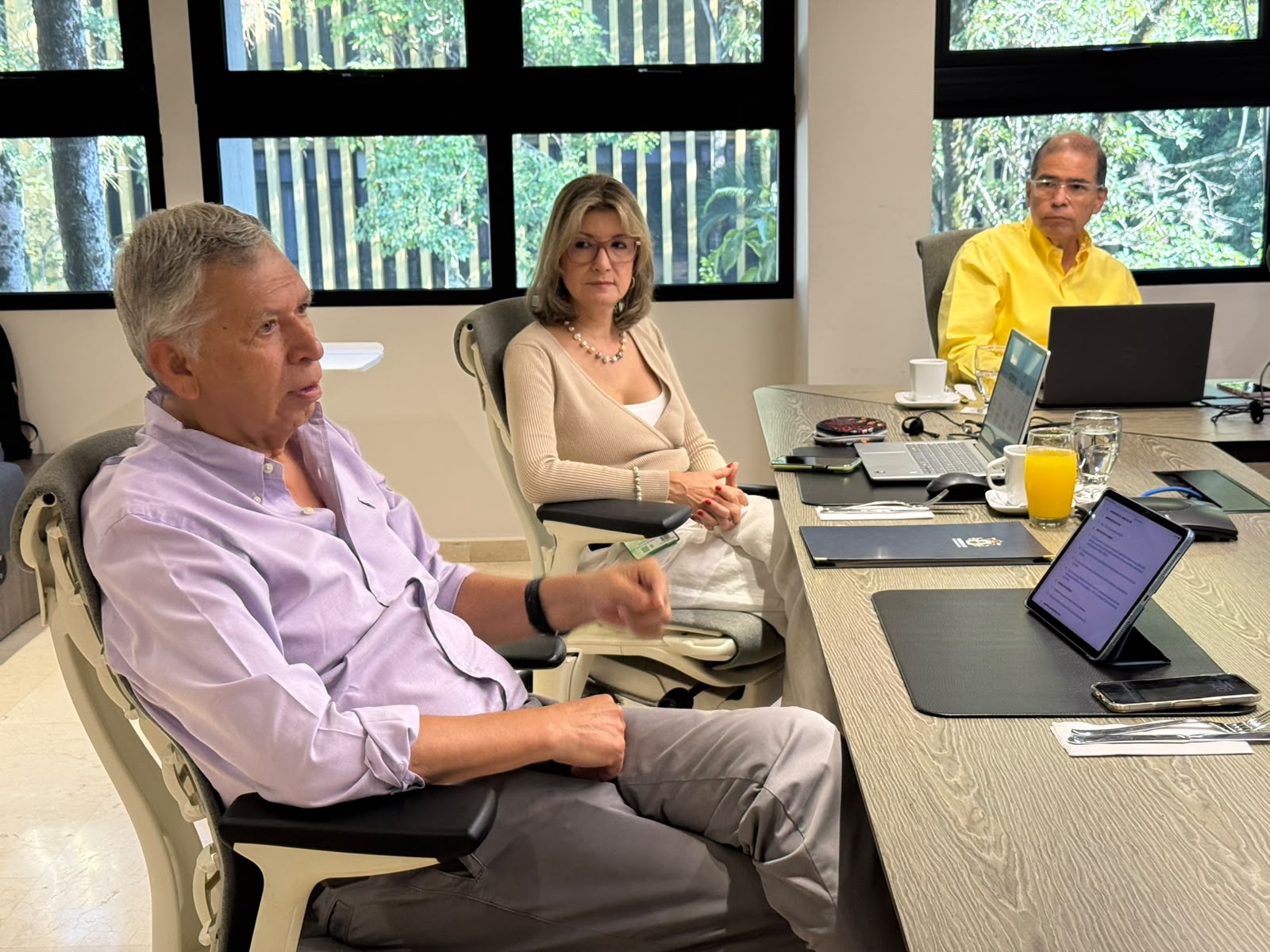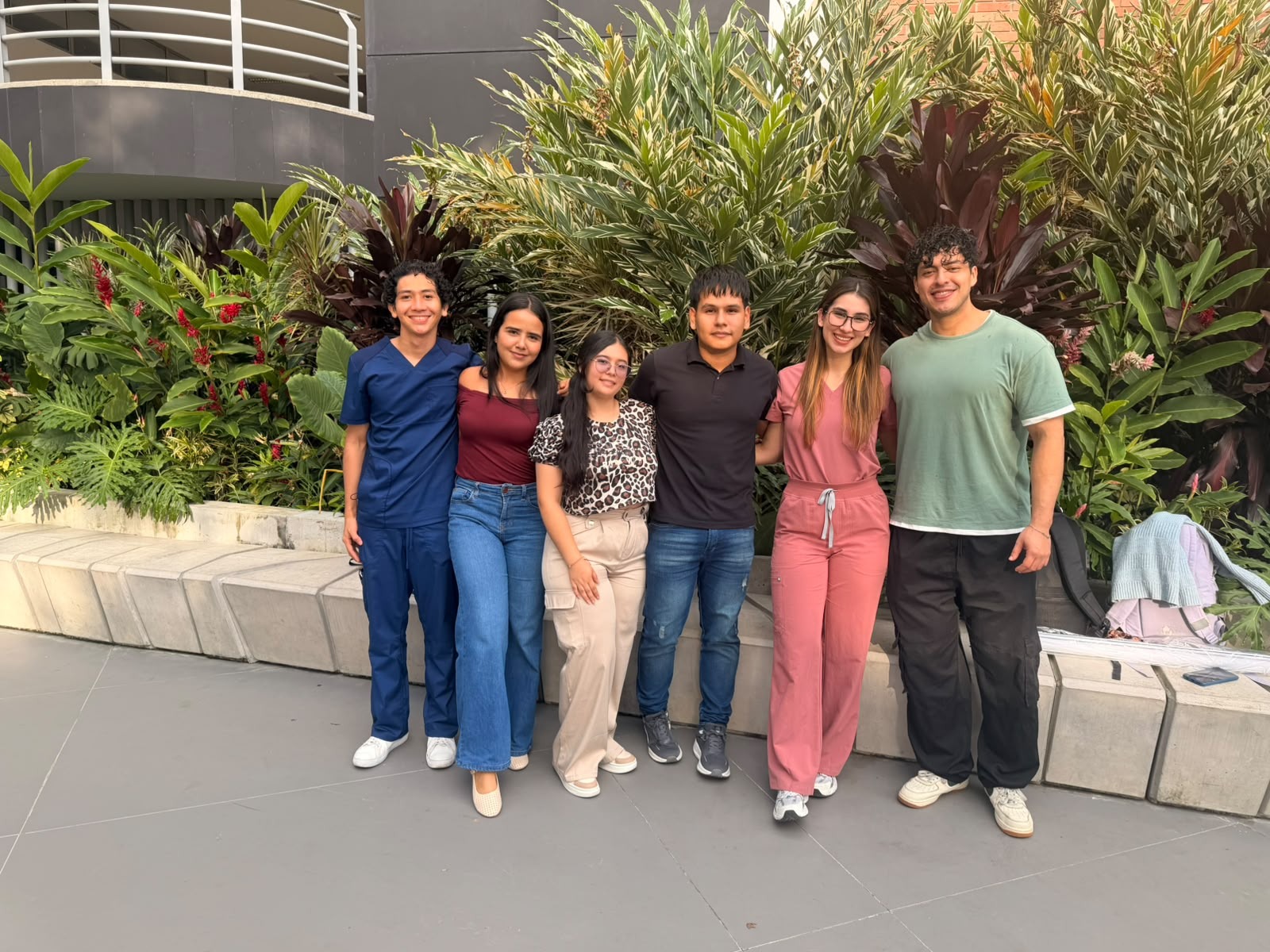

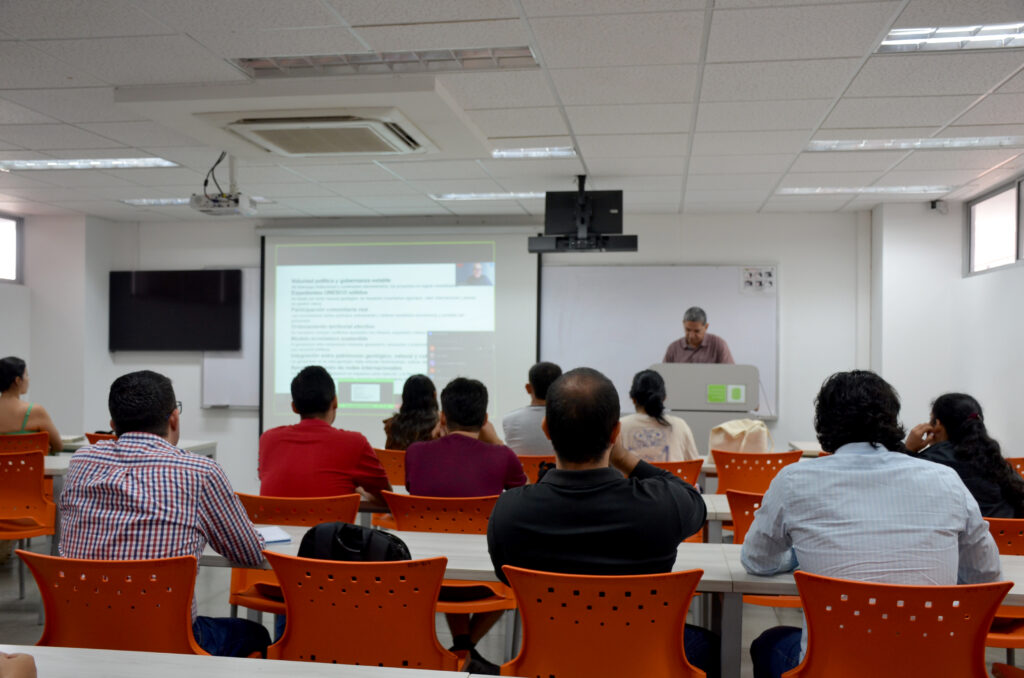
The conference “Building Geoparks in Colombia: Challenges and Opportunities” brought together experts, academics, and students to discuss how geological heritage can contribute to sustainable regional development.
Chicamocha Canyon as a geopark was one of the central topics of the conference “Building Geoparks in Colombia: Challenges and Opportunities,” held at the Industrial University of Santander (UIS). The event provided a space for dialogue on the opportunities and challenges involved in developing geopark initiatives in Colombia.
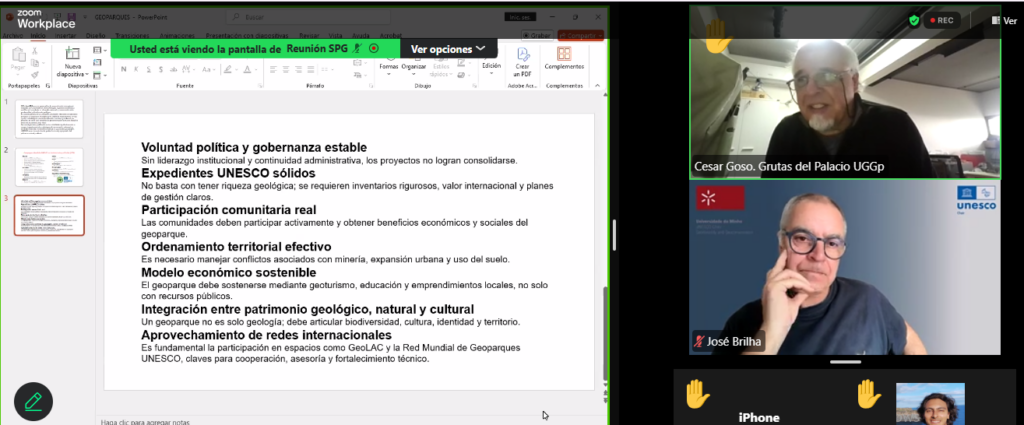
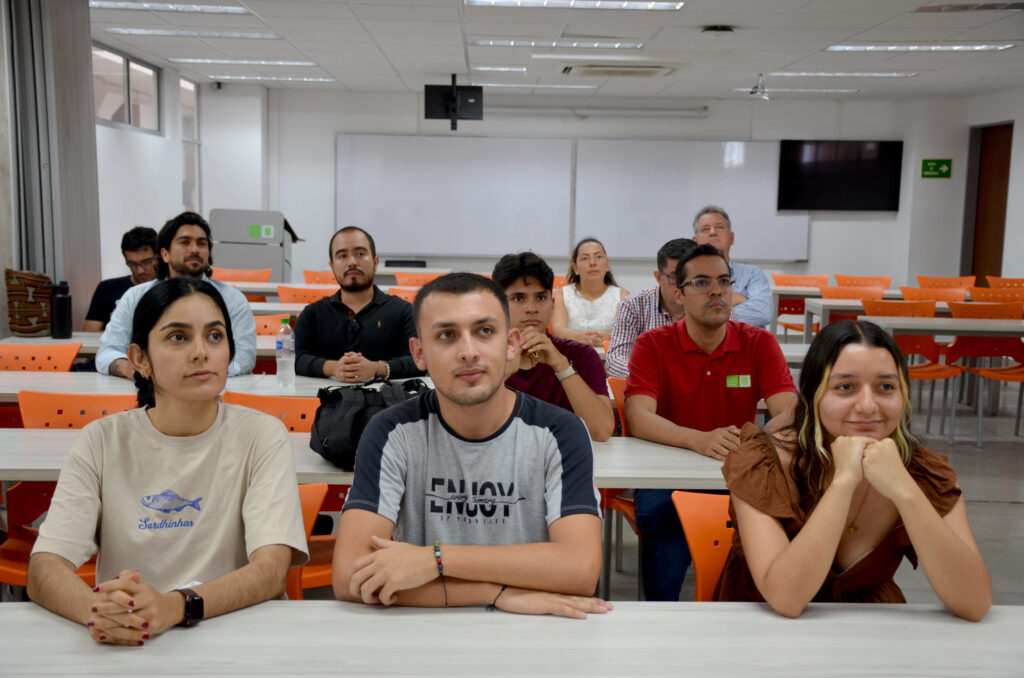
The academic gathering featured Portuguese researcher José Brilha, an internationally recognized expert in geodiversity and geoheritage conservation, as well as professors, students, and researchers interested in advancing knowledge on geoparks and their role in sustainable territorial development.
Throughout the event, participants highlighted the importance of geoparks as models that integrate geological heritage conservation, education, community engagement, and sustainable economic development.
Chicamocha Canyon: A Natural Laboratory
One of the main topics discussed was the geological significance of Chicamocha Canyon. According to Francisco Velandia, Director of the UIS School of Geology, the region offers exceptional conditions for understanding the geological evolution of Colombia’s Eastern Cordillera.
“Chicamocha Canyon is a geodiverse region. It constitutes the heart of Colombia’s Eastern Cordillera. Due to erosion, some of the oldest rocks in the mountain range can be observed there, including metamorphic, igneous, and sedimentary formations that reveal different stages of the region’s geological history,” he explained.
Velandia noted that the canyon also provides evidence of ongoing geological processes. The influence of the Bucaramanga Fault, tectonic activity, erosion, and mass movement processes make the area a natural laboratory for scientific research and geological education.
Communities at the Center of Geopark Development
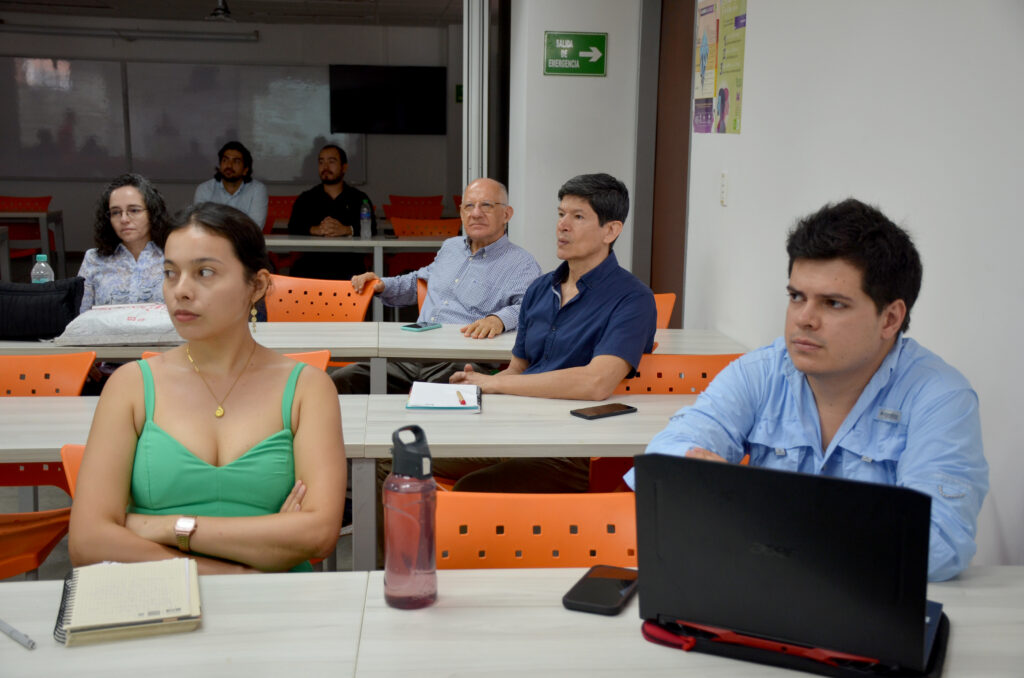
The conference also emphasized that local communities play a fundamental role in any successful geopark initiative.
According to Velandia, one of UNESCO’s main requirements for the designation of a Global Geopark is the active participation and leadership of local stakeholders.
“The main requirement established by UNESCO for recognizing a Global Geopark is that local communities are actively involved in the process and, ideally, take a leading role. A geopark must be seen as a real opportunity for sustainable regional development,” he stated.
This approach requires collaboration among community members, public institutions, academia, and economic sectors to promote environmental stewardship, social inclusion, and sustainable growth.
UIS Strengthens Its Commitment to Regional Development
Through initiatives such as this conference, UIS continues to strengthen its commitment to knowledge generation and its contribution to regional development.
Velandia highlighted that the University can support communities through research, technical guidance, educational programs, and social appropriation of knowledge related to geological, biological, and cultural heritage.
“It is about bringing the university to the territory, working directly in the canyon with students and professors who engage with local communities and help them understand, value, and promote their geological, biological, and cultural heritage,” he said.
The conference provided an opportunity to connect international experiences with local challenges and reinforced the importance of collaborative efforts to promote sustainable territorial development. It also highlighted the potential of Chicamocha Canyon as a geopark and its capacity to become a model for conservation, education, and community-based development in Colombia.