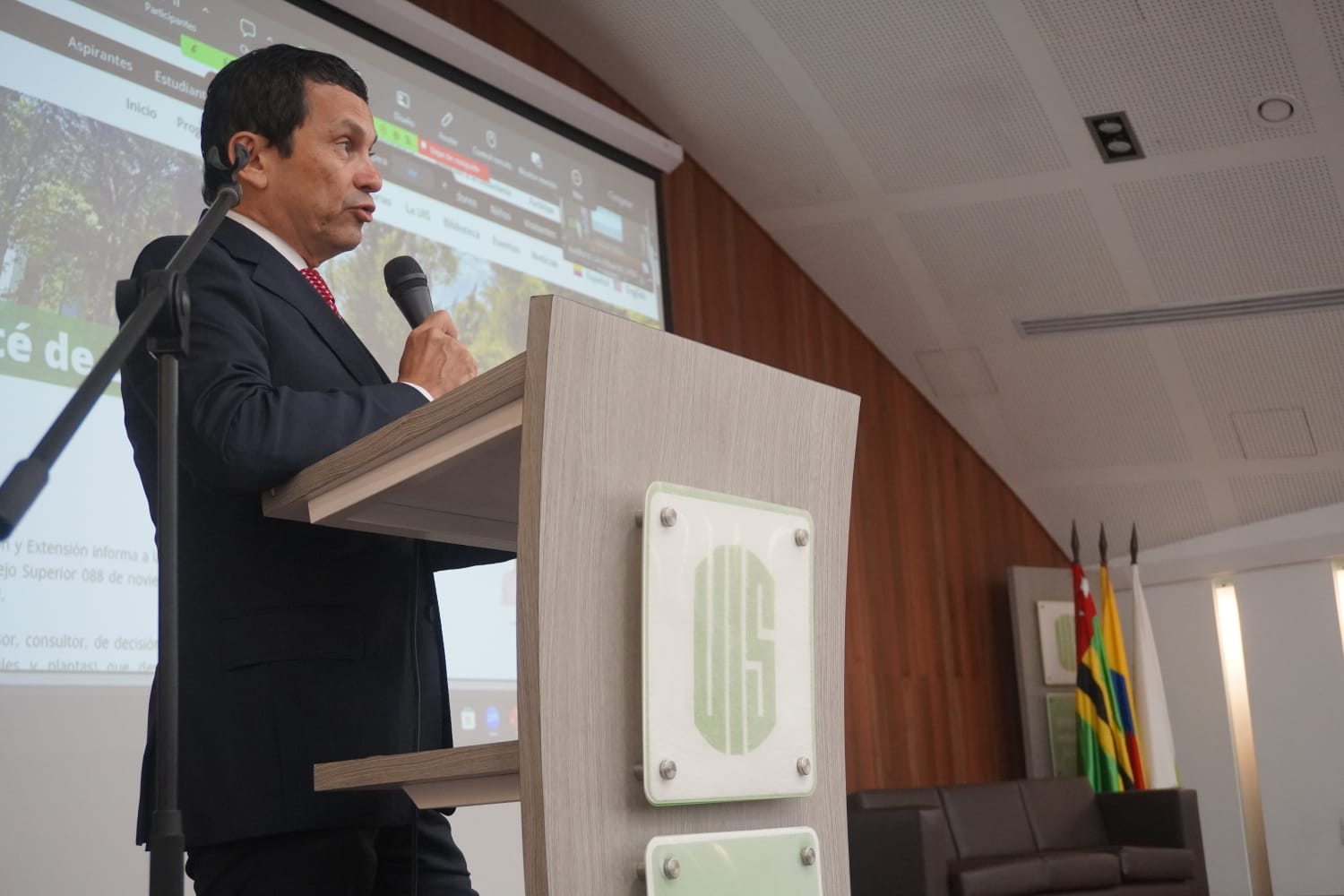


At a meeting held this Tuesday, the UIS Academic Council reviewed the regulations governing the Faculty Regularization Plan, Decree 0391 of 2025, a national government initiative aimed at strengthening the faculty at public universities through permanent appointments.
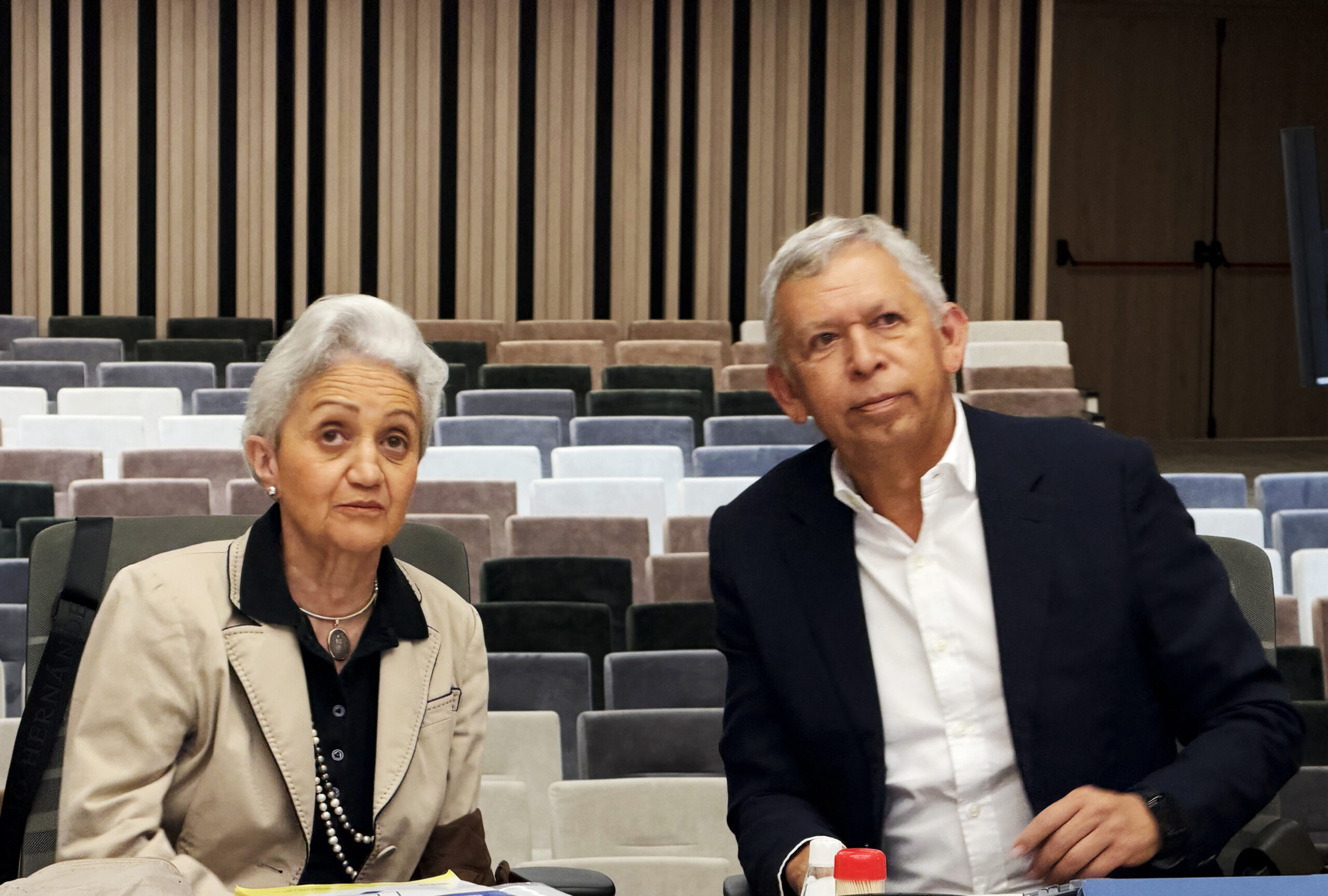
The process, which has already passed the diagnostic phase, is now entering its implementation stage. This was explained by Eugenio Cueto Barragán, president of the University Professors’ Union Association (ASPU), UIS chapter, who noted that “the process is no longer in the diagnostic phase; that has already passed. The formalization plan has been approved, and what comes next is the implementation phase,” in which it is essential to define the rules for the merit-based public competition that will enable faculty hiring.
According to the draft agreement under review, the call for applications will be led by the Office of the Vice Rector for Academic Affairs and will include stages such as verification of requirements, psychometric tests, a teaching demonstration, an interview, and resume evaluation, with the aim of compiling a list of eligible candidates that will remain valid for 18 months.

One of the most significant aspects of the process is the relaxation of requirements compared to traditional competitive exams. Cueto noted that “in this case, a Ph.D. is not required; while a Ph.D. may earn extra points, those points are not particularly high, and the minimum requirement for entry into the exam—unlike the standard competitive exam for tenured faculty—is a master’s degree,” which broadens the opportunities for participation among both tenured and adjunct professors.
He also explained that a foreign language will not be required for admission, although the university will provide training in it later on: “That requirement will not be asked for when applying, nor will it be part of the selection process. We also know that today a university professor needs to be proficient in a second language, but the university will offer that opportunity to professors who join through this formalization process; the university will offer them the opportunity, through the Language Institute, to achieve proficiency in English at the required level.”
Regarding experience, the minimum criterion was set at five years of teaching experience, equivalent to ten academic terms, which corresponds to the prior profile of faculty hired under non-formal arrangements.

Although, following a study, the UIS estimates that 118 full-time faculty members would be needed, the budget analysis indicates a figure of 44; for this reason, this need will be brought before the national government.
“The process already has a foundation, a starting point, which is to formalize the status of 44 professors as required by Decree 0391. We truly want to thank the university administration, led by the rector, for their unwavering support in carrying out this process and complying with the regulations set by the Ministry of Education,” said Víctor Julio Dallos Hernández, vice president of ASPU UIS.
Currently, the UIS has approximately 1,450 tenured faculty members, so expanding the number of positions will depend largely on financial support from the national government. “The possibility of increasing that number is open, but it depends heavily on securing funding from the Ministry of Education,” added Dallos.

The agreement also stipulates that new faculty members must complete a two-year probationary period, during which they will engage in teaching, research on pedagogical innovation, and institutional training, in addition to demonstrating proficiency in a foreign language.
Finally, ASPU UIS noted that in the coming days the University will publish the full details of the call for applications, including stages, timelines, and requirements, which will allow interested parties to prepare to participate in this process that marks a milestone in the formalization of teaching positions at the institution.