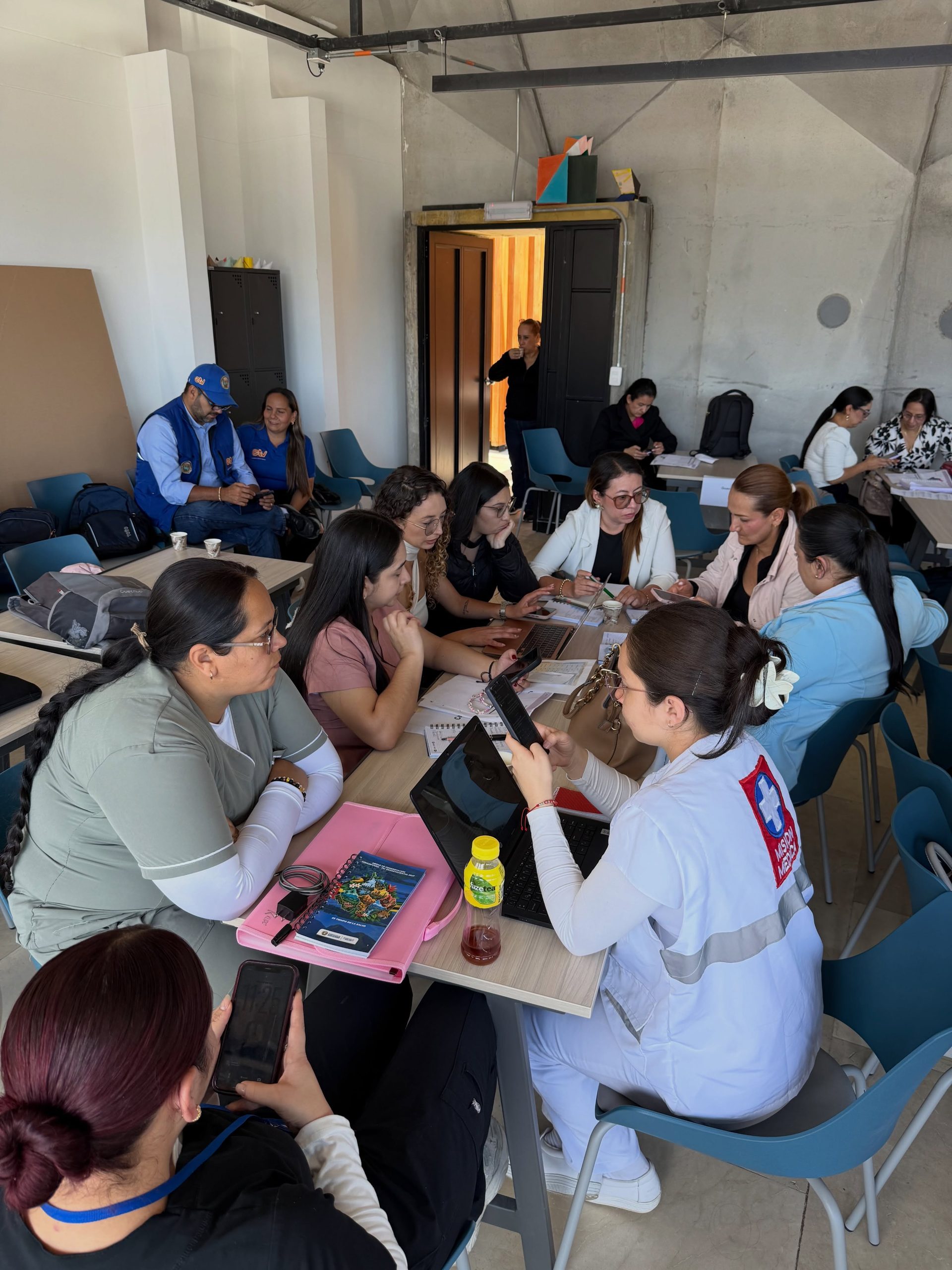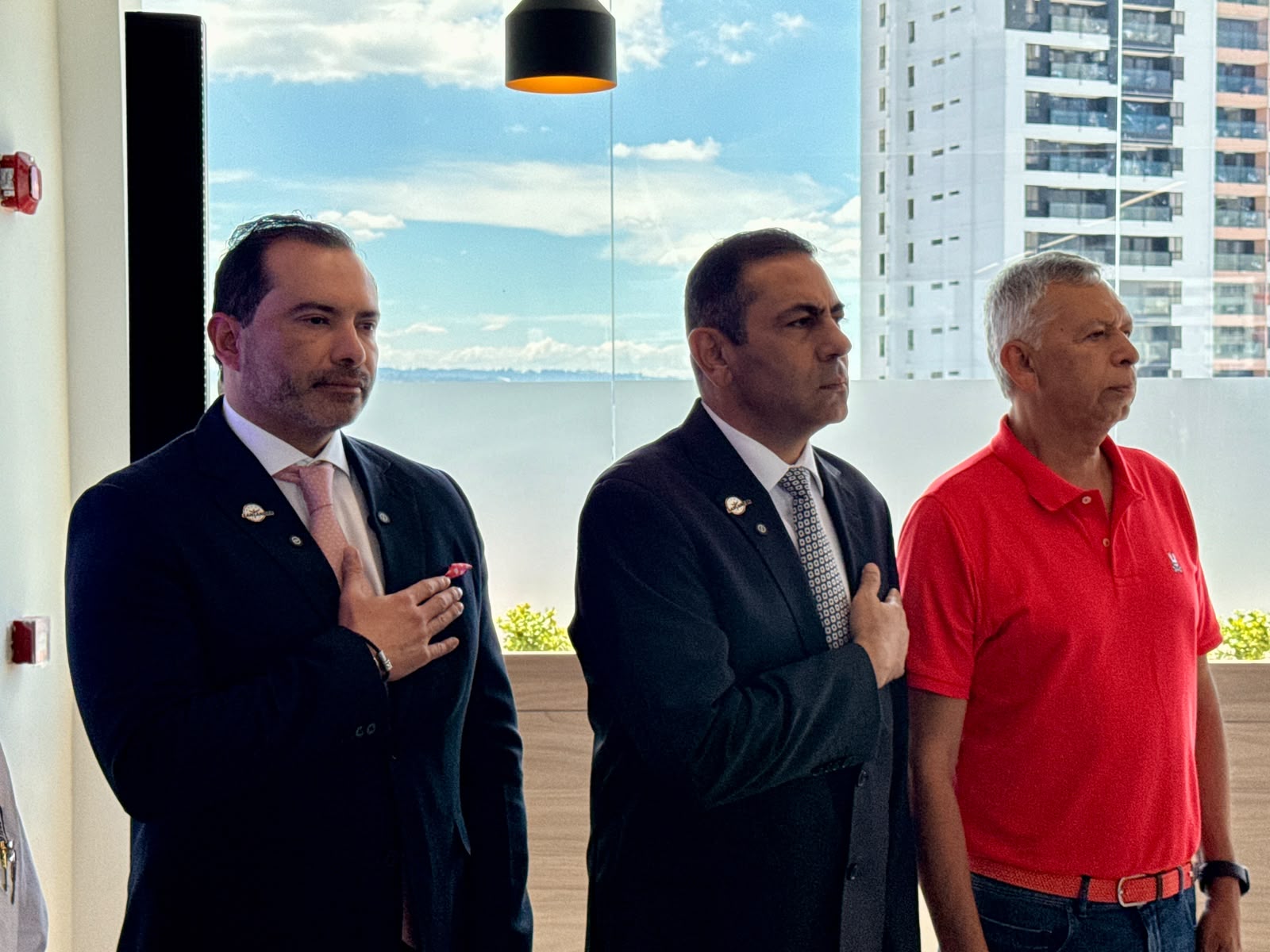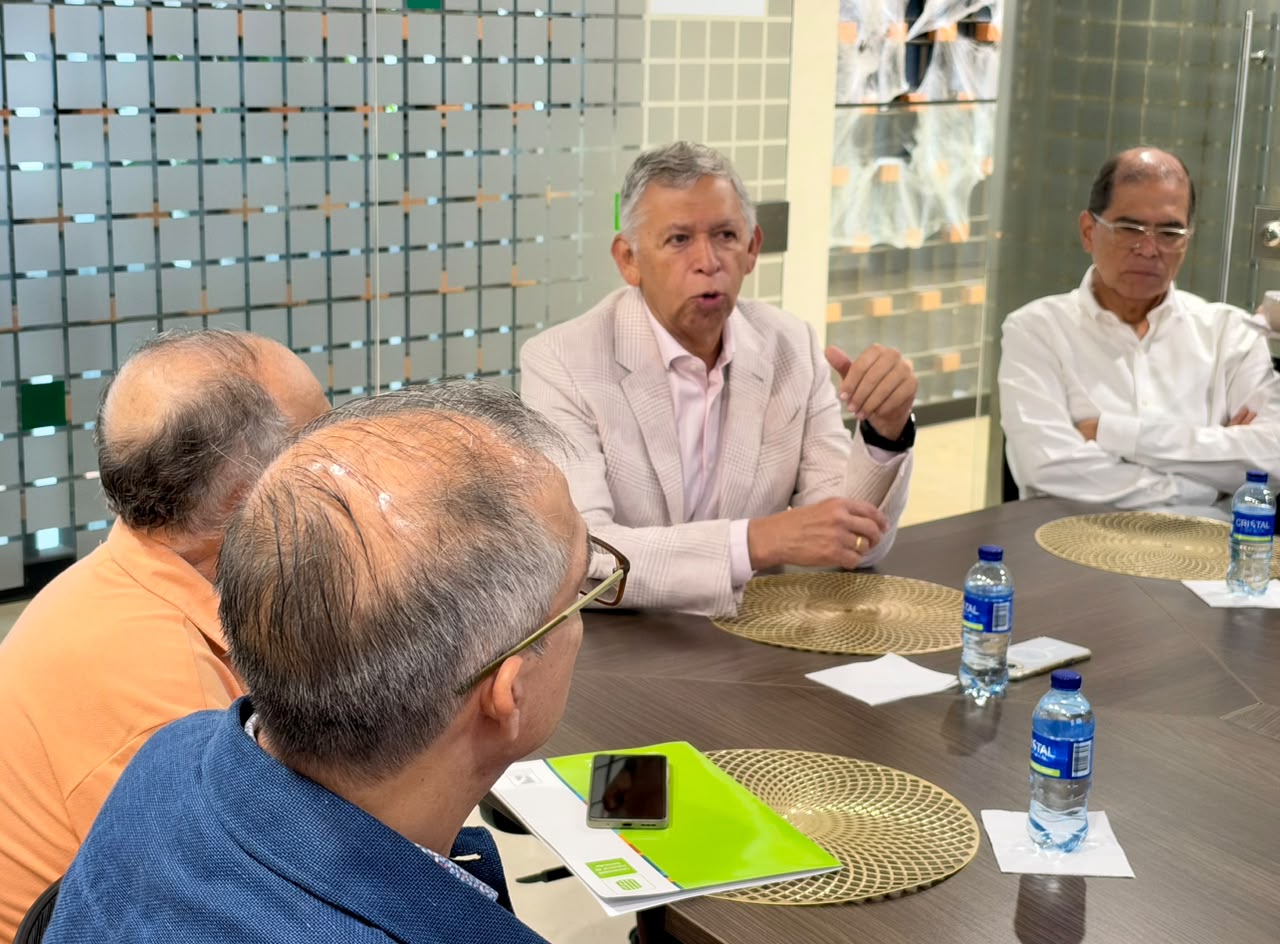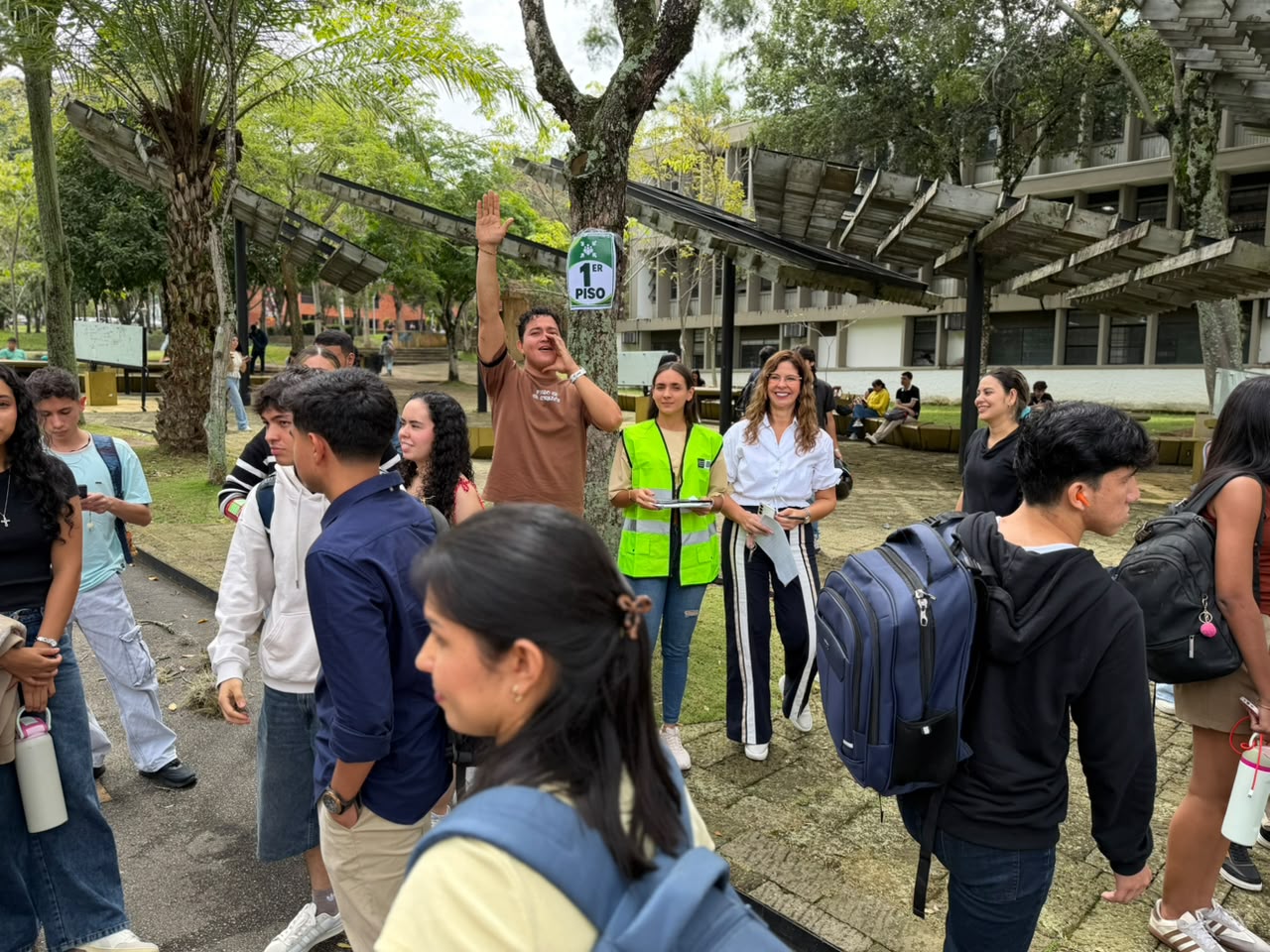


A discussion on health promotion, behavioral neuroscience, and nutrition was the central theme of the Health and Society Seminar, an event featuring Dr. Lina María Vera Cala, Dr. Ana Paola Mora Vergara, and Dr. William Villamil Villar.
In Dr. Lina’s presentation, she addressed health promotion and maintenance, opening the session with a thought-provoking question: Are we training health professionals or disease professionals? During her talk, she explained that in a disease-centered system, health promotion requires a paradigm shift: moving from waiting for people to get sick to working to keep them healthy. She clearly distinguished between prevention (reducing the risk of illness) and promotion (enhancing well-being through capabilities and environments). Drawing on the Ottawa Charter, she noted that health is built through healthy public policies, supportive environments, community action, personal skills, and services reoriented toward well-being.
The conclusion was clear: health is not just an individual matter, but a collective responsibility that requires transforming the structural conditions in which we live.
For his part, the lecture by Dr. William, a psychiatrist and professor in the Department of Mental Health, took attendees on a journey through the brain circuits that underlie our everyday decisions.
According to the specialist, there is a network in the brain that connects three key areas of daily life: thought, emotions, and habits. There lies the nucleus accumbens, known as the “pleasure center,” which is activated when we do something we enjoy. However, he cautioned that the amygdala can also lead to dependence on other vices such as alcohol or drugs, or act as an alarm in response to threats, while the thalamus helps us orient ourselves in space.
For the expert, sleeping well, eating healthily, exercising, and managing our emotions is not just a matter of willpower; they are neurobiological processes shaped by our experiences and environment.
Finally, in the lecture by Dr. Ana Paola Mora Vergara, a nutritionist with a Ph.D. in Behavioral Sciences, she spoke about nutrition with a critical eye on what we put on our plates, since nutrition is a complex phenomenon where multiple dimensions of power converge.
The three sessions left a common message: health is a multidimensional phenomenon where biology, the environment, culture, and power relations intertwine. The Health and Society Chair continues to establish itself as a space for thinking, feeling, and transforming.